Process bulk RNA-seq FASTQ files into aligned reads and expression estimates, then perform cohort-level expression quality control and normalization.
Miniprotocol Timing
Timing: TBD
Overview
This mini-protocol walks through bulk RNA-seq expression processing. RNA_calling.ipynb performs read-level quality assessment, optional adapter trimming, STAR alignment, and gene- or transcript-level quantification. bulk_expression_QC.ipynb filters low-expression features and detects sample outliers, and bulk_expression_normalization.ipynb produces normalized expression matrices for downstream xQTL analysis.
The commands form selectable routes rather than one mandatory chain. Gene-level RNA-SeQC and transcript-level RSEM quantification are alternatives after alignment. The bundled matrix-QC example starts from existing count and TPM matrices, so steps 6–7 can be run independently of the toy FASTQ example in steps 1–5.
Steps
Choose a route before running commands.
| Analysis goal | Commands to run, in order | Inputs |
|---|---|---|
| Inspect raw-read quality only | 1 | tests/fixtures/rna_calling/protocol_example.rnaseq.fastq.list.txtinput/rnaseq/protocol_example.rnaseq.fastq/ |
| Align untrimmed reads with STAR | 1 → 3 | FASTQ inputs aboveinput/reference_data/STAR_Index/input/reference_data/Homo_sapiens.GRCh38.103.chr.reformatted.ERCC.gtfinput/reference_data/GRCh38_full_analysis_set_plus_decoy_hla.noALT_noHLA_noDecoy_ERCC.fastainput/reference_data/Homo_sapiens.GRCh38.103.chr.reformatted.ERCC.ref.flat |
| Trim adapters before STAR alignment | 1 → 2 → 3 | Same inputs as the STAR route |
| Estimate gene-level expression | 1 → 3 → 4 | STAR-route inputsinput/rnaseq/protocol_example.rnaseq.bam/sample_bam_list.txtinput/reference_data/Homo_sapiens.GRCh38.103.chr.reformatted.collapse_only.gene.gtf |
| Estimate transcript-level expression | 1 → 3 → 5 | STAR-route inputsinput/rnaseq/protocol_example.rnaseq.bam/sample_bam_list.txtinput/reference_data/RSEM_Index/ |
| QC and normalize existing expression matrices | 6 → 7 | tests/fixtures/bulk_expression_normalization/protocol_example.rnaseq.tpm.gct.gztests/fixtures/bulk_expression_normalization/protocol_example.rnaseq.geneCount.gct.gztests/fixtures/bulk_expression_normalization/protocol_example.rnaseq.sample_participant_lookup.txtinput/reference_data/Homo_sapiens.GRCh38.103.chr.reformatted.collapse_only.gene.ERCC.gtf |
Run only the row matching the intended analysis goal. Adapter trimming is optional; use it when read-level QC or library preparation indicates adapter contamination.
1. Assess FASTQ read quality
What it does: Generate per-sample FastQC reports before alignment.
sos run pipeline/RNA_calling.ipynb fastqc \
    --cwd output/rnaseq/fastqc \
    --sample-list tests/fixtures/rna_calling/protocol_example.rnaseq.fastq.list.txt \
    --data-dir tests/fixtures/rna_calling/fastq
2. Trim sequencing adapters
What it does: Remove configured adapter sequences and write trimmed FASTQ files for alignment.
sos run pipeline/RNA_calling.ipynb fastp_trim_adaptor \
    --cwd output/rnaseq --sample-list tests/fixtures/rna_calling/protocol_example.rnaseq.fastq.list.txt \
    --data-dir tests/fixtures/rna_calling/fastq --STAR-index <path/to/STAR_Index> \
    --gtf <path/to/Homo_sapiens.GRCh38.103.chr.reformatted.ERCC.gtf> \
    --reference-fasta <path/to/GRCh38_full_analysis_set_plus_decoy_hla.noALT_noHLA_noDecoy_ERCC.fasta> \
    --ref-flat <path/to/Homo_sapiens.GRCh38.103.chr.reformatted.ERCC.ref.flat>
3. Align reads with STAR and run Picard QC
What it does: Map reads to the reference genome and calculate alignment-level RNA-seq quality metrics.
sos run pipeline/RNA_calling.ipynb STAR_align \
    --cwd output/rnaseq/bam --sample-list tests/fixtures/rna_calling/protocol_example.rnaseq.fastq.list.txt \
    --data-dir tests/fixtures/rna_calling/fastq --STAR-index <path/to/STAR_Index> \
    --gtf <path/to/Homo_sapiens.GRCh38.103.chr.reformatted.ERCC.gtf> \
    --reference-fasta <path/to/GRCh38_full_analysis_set_plus_decoy_hla.noALT_noHLA_noDecoy_ERCC.fasta> \
    --ref-flat <path/to/Homo_sapiens.GRCh38.103.chr.reformatted.ERCC.ref.flat> \
    --chimSegmentMin 0 \
    -J 50 --mem 200G --numThreads 8
4. Quantify gene-level expression with RNA-SeQC
What it does: Summarize aligned reads into gene-level expression measurements.
sos run pipeline/RNA_calling.ipynb rnaseqc_call \
    --cwd output/rnaseq/bam \
    --sample-list tests/fixtures/rna_calling/protocol_example.rnaseq.fastq.list.txt \
    --data-dir tests/fixtures/rna_calling/fastq \
    --gtf <path/to/Homo_sapiens.GRCh38.103.chr.reformatted.collapse_only.gene.gtf> \
    --reference-fasta <path/to/GRCh38_full_analysis_set_plus_decoy_hla.noALT_noHLA_noDecoy_ERCC.fasta> \
    --bam_list output/rnaseq/fastqc/sample_bam_list.txt
5. Quantify transcript-level expression with RSEM
What it does: Estimate transcript- and gene-level abundance using the RSEM reference index.
sos run pipeline/RNA_calling.ipynb rsem_call \
    --cwd output/rnaseq/bam \
    --sample-list tests/fixtures/rna_calling/protocol_example.rnaseq.fastq.list.txt \
    --data-dir tests/fixtures/rna_calling/fastq \
    --STAR-index <path/to/STAR_Index> \
    --gtf <path/to/Homo_sapiens.GRCh38.103.chr.reformatted.ERCC.gtf> \
    --reference-fasta <path/to/GRCh38_full_analysis_set_plus_decoy_hla.noALT_noHLA_noDecoy_ERCC.fasta> \
    --ref-flat <path/to/Homo_sapiens.GRCh38.103.chr.reformatted.ERCC.ref.flat> \
    --bam_list output/rnaseq/fastqc/sample_bam_list.txt \
    --RSEM-index <path/to/RSEM_Index>
6. Perform cohort-level expression QC
What it does: Filter low-expression features and identify expression outlier samples across the cohort.
sos run pipeline/bulk_expression_QC.ipynb qc \
    --cwd output/rnaseq \
    --tpm-gct tests/fixtures/bulk_expression_normalization/protocol_example.rnaseq.tpm.gct.gz \
    --counts-gct tests/fixtures/bulk_expression_normalization/protocol_example.rnaseq.geneCount.gct.gz
7. Normalize the QC-passed expression matrices
What it does: Normalize the retained count and TPM matrices and write association-ready expression phenotypes.
sos run pipeline/bulk_expression_normalization.ipynb normalize \
    --cwd output/rnaseq \
    --tpm-gct output/rnaseq/protocol_example.low_expression_filtered.outlier_removed.tpm.gct.gz \
    --counts-gct output/rnaseq/protocol_example.low_expression_filtered.outlier_removed.geneCount.gct.gz \
    --annotation-gtf tests/fixtures/gene_annotation/Homo_sapiens.GRCh38.103.collapse_only.gene.chr22.gtf.gz  \
    --count-threshold 1 --sample_participant_lookup tests/fixtures/bulk_expression_normalization/protocol_example.rnaseq.sample_participant_lookup.txt
Output
| Step | Output filename and relative path | Description |
|---|---|---|
| 1 | output/rnaseq/fastqc/*_fastqc.htmloutput/rnaseq/fastqc/*_fastqc.zip | Per-sample FastQC report and archive |
| 2 | output/rnaseq/*.trimmed.fq.gz | Adapter-trimmed FASTQ files |
| 3 | output/rnaseq/bam/*.Aligned.sortedByCoord.out.bamoutput/rnaseq/bam/*.alignment_summary_metricsoutput/rnaseq/bam/*.bam_file_list | STAR alignment, Picard metrics and BAM manifest |
| 4 | output/rnaseq/bam/*.rnaseqc.gene_tpm.gct.gz | Gene-level RNA-SeQC TPM matrix |
| 5 | output/rnaseq/bam/*.rsem.isoforms.resultsoutput/rnaseq/bam/*.rsem.genes.resultsoutput/rnaseq/bam/*.rsem_transcripts_expected_count.txt.gz | RSEM transcript- and gene-level estimates |
| 6 | output/rnaseq/protocol_example.low_expression_filtered.tpm.gct.gzoutput/rnaseq/protocol_example.low_expression_filtered.outlier_removed.tpm.gct.gzoutput/rnaseq/protocol_example.low_expression_filtered.outlier_removed.geneCount.gct.gz | Filtered TPM and count matrices after sample QC |
| 7 | output/rnaseq/protocol_example.low_expression_filtered.outlier_removed.tpm.gct.<normalization_method>.expression.bed.gz | Final normalized BED phenotype; the method name is part of the filename |
| Example QC figures | website/nature_protocol/PCC_sample_list_subset.rnaseqc.low_expression_filtered.outlier_removed.tpm.gct.D_stat_hist.pngwebsite/nature_protocol/PCC_sample_list_subset.rnaseqc.low_expression_filtered.outlier_removed.tpm.gct.RLEplot.pngwebsite/nature_protocol/PCC_sample_list_subset.rnaseqc.low_expression_filtered.outlier_removed.tpm.gct.preQC_cluster.png | Tracked cohort-level examples shown below; the toy-output directory does not currently contain these plots |
Anticipated Results
The calling routes produce aligned BAM files and either gene-level or transcript-level expression estimates. The cohort-level route produces QC-passed and normalized expression matrices suitable for phenotype annotation and xQTL association testing.
The following QC figures summarize distributional and sample-level checks applied before normalization.
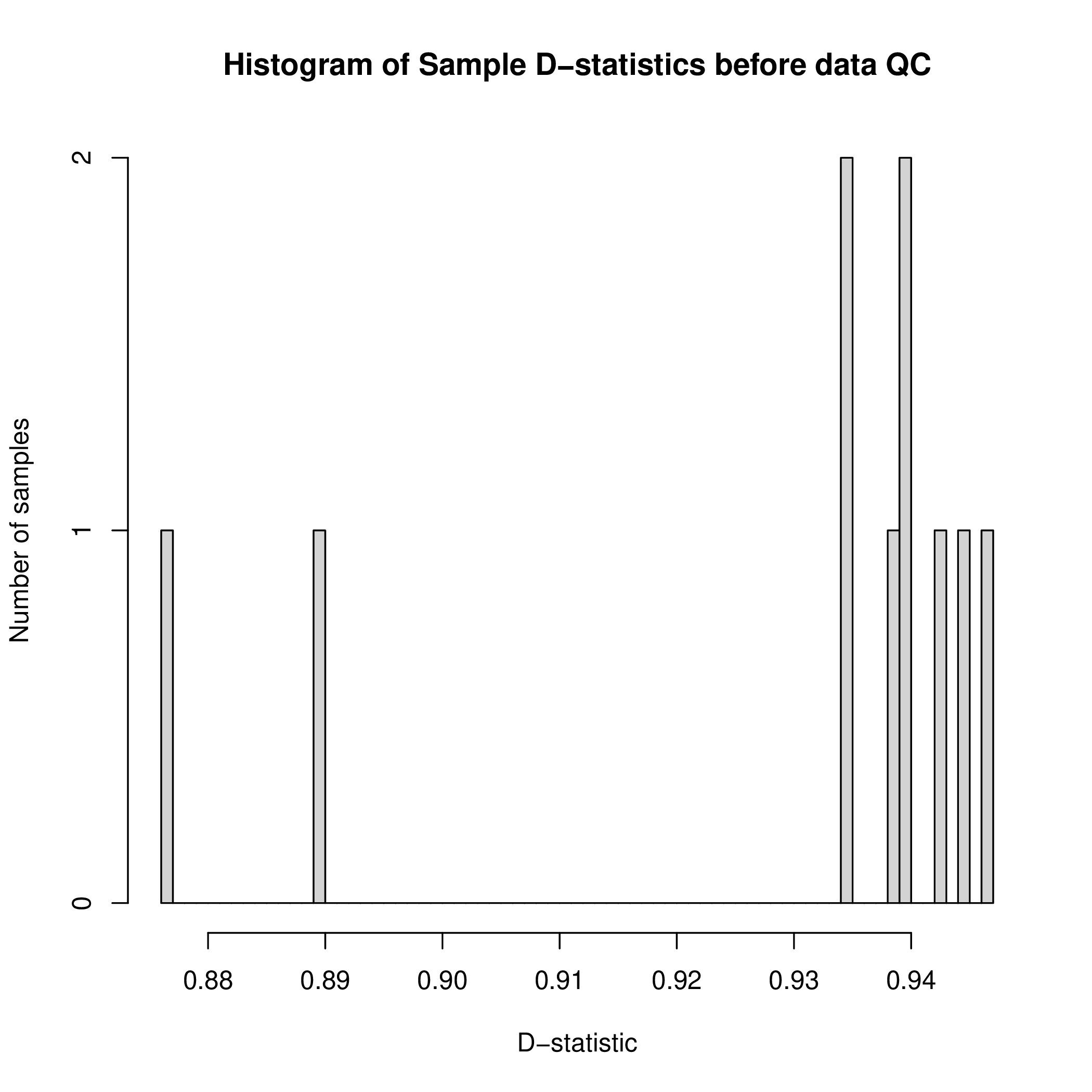
Figure 1A. Bulk RNA-seq quality-control D-statistic distribution.
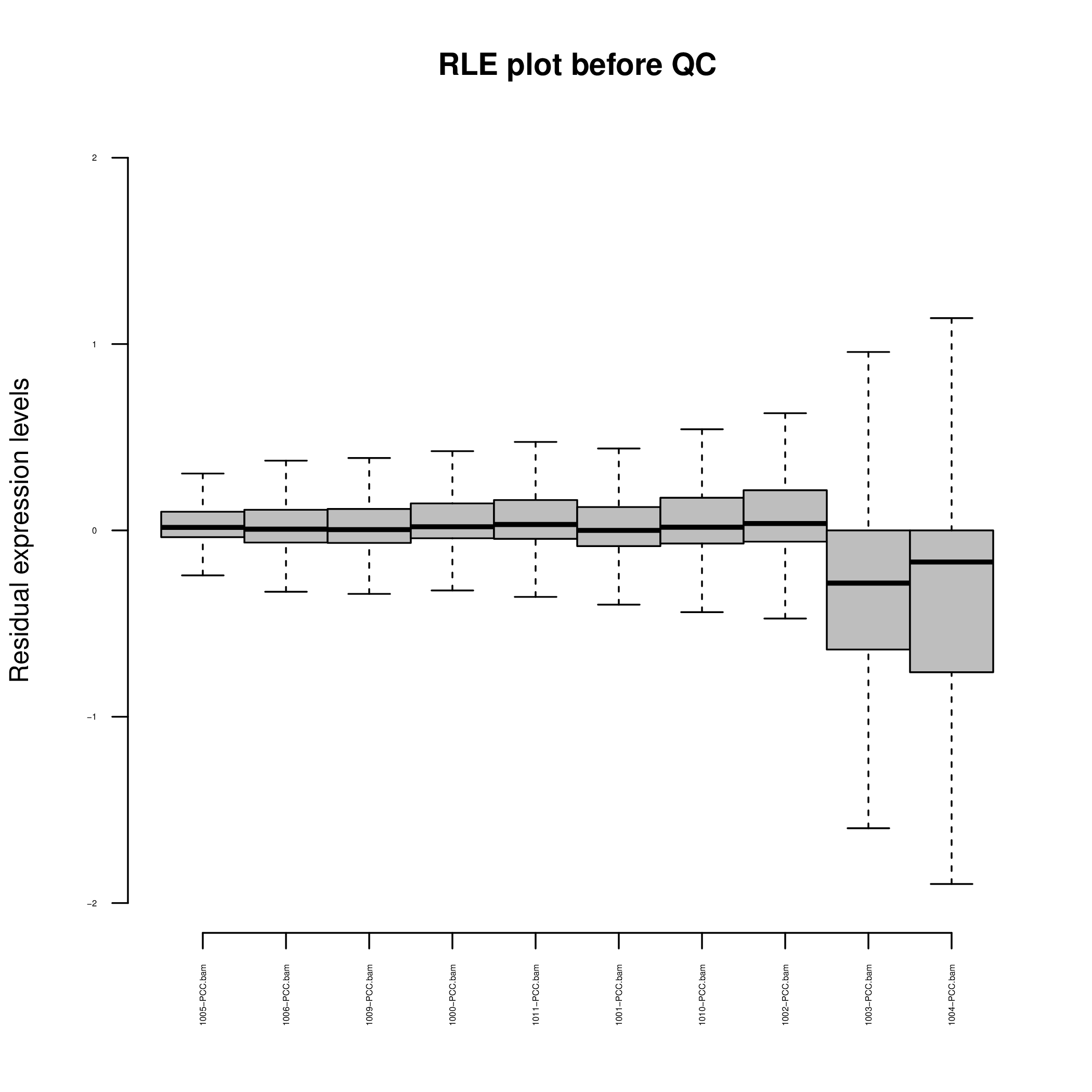
Figure 1B. Bulk RNA-seq quality-control relative log-expression residuals.
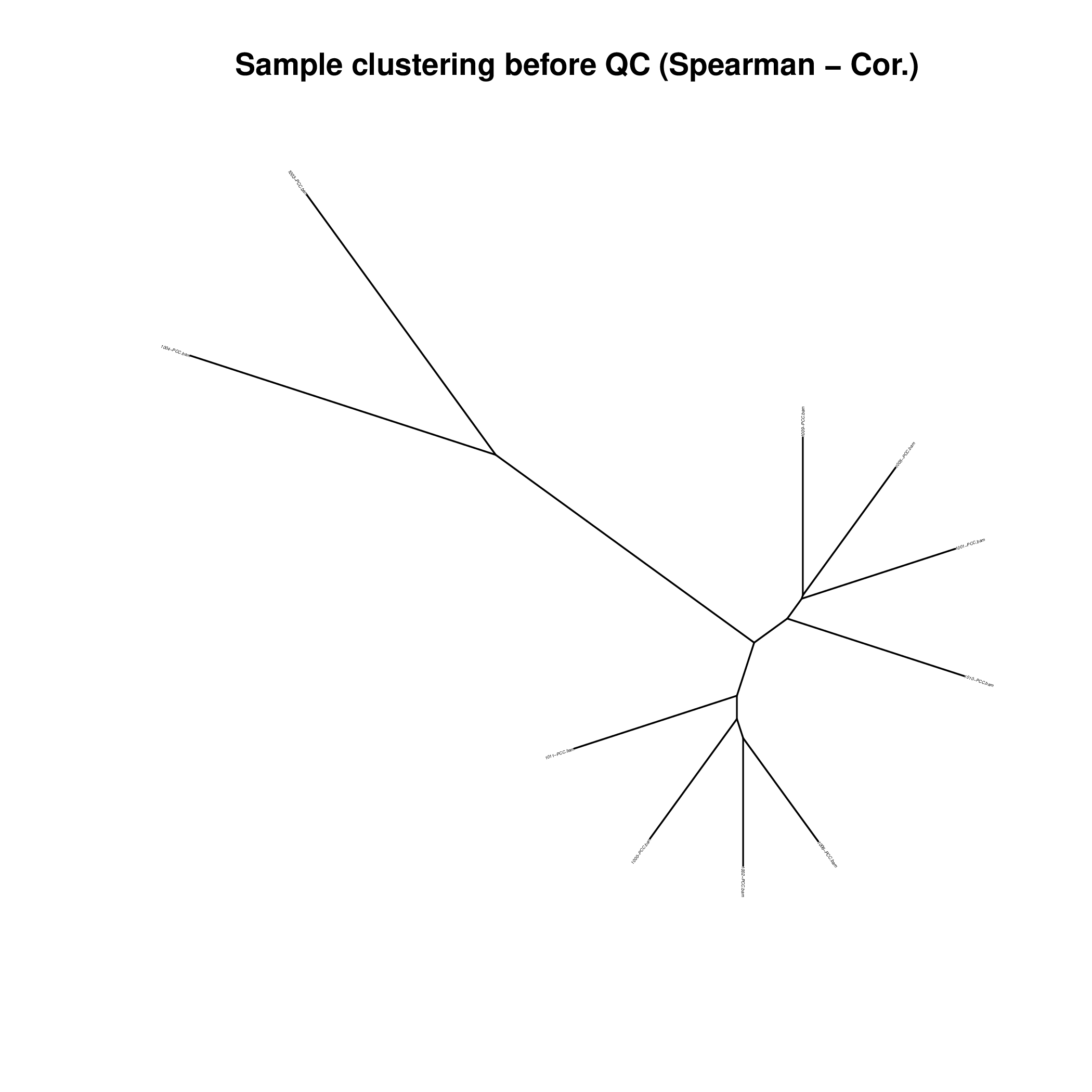
Figure 1C. Bulk RNA-seq quality-control Mahalanobis-distance p-value clustering.
Command Interface
List the workflows and parameters available in each module used by this mini-protocol.
sos run pipeline/RNA_calling.ipynb -h
sos run pipeline/bulk_expression_QC.ipynb -h
sos run pipeline/bulk_expression_normalization.ipynb -h